The price you’re offered for scrap metal isn’t just about weight, it’s about grade, cleanliness, and how easy your load is to sort and process. A bit of preparation before you arrive can genuinely improve your payout. Here’s what actually makes a difference.
Separate Ferrous from Non-Ferrous Metal
Ferrous metals (those containing iron, like steel) are generally worth less per kilo than non-ferrous metals like copper, aluminium, and brass. If these are mixed together, the whole load may be valued at the lower rate. A simple magnet test, ferrous metal is magnetic, non-ferrous generally isn’t, can help you sort at home before you arrive.
Sort Copper by Grade
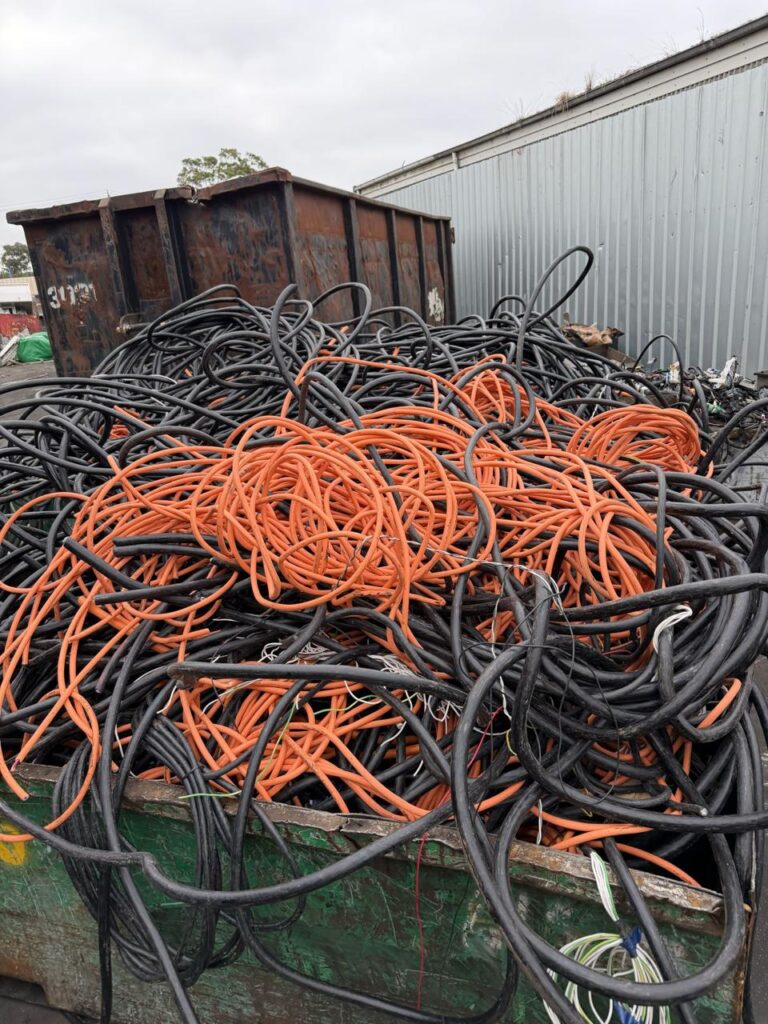
Not all copper is equal. Bright, bare copper wire is worth significantly more than insulated cable, and both are worth more than heavily oxidised or painted copper. If you’re able to separate bright wire, pipe, and insulated cable into different piles, you’ll generally get a more accurate, and often better, price than if it’s all mixed together.
Remove Non-Metal Attachments Where Practical
Plastic housings, rubber seals, and other non-metal components add weight and bulk without adding value, and can sometimes reduce the grade of the metal they’re attached to. Removing what you reasonably can, without going to excessive effort, helps your load grade higher.
Consolidate Into a Full Load Where Possible
If you’re not in a rush, it’s often worth holding onto smaller amounts of scrap until you’ve built up a fuller load, rather than making several small trips. This isn’t just more convenient, some categories of metal are easier to grade and price accurately in bulk.
Have Your Documentation Ready
Under Victorian law, every scrap metal seller needs to provide valid photo ID at the time of the transaction, regardless of the size of the load. Having this ready, along with any relevant business details if you’re selling on behalf of a company, keeps the process quick and avoids any delay at the scales.
Quick Pre-Sale Checklist
- Ferrous and non-ferrous metals sorted into separate piles
- Copper separated by grade (bright wire, insulated cable, pipe)
- Non-metal attachments removed where practical
- Load consolidated, if you’re not in a rush to sell
- Valid photo ID ready for the transaction
Frequently Asked Questions
Does sorting my scrap metal really make a difference to the price?
Yes. Mixed loads are often valued at the lower rate of the metals combined, so separating ferrous from non-ferrous, and grading copper, can noticeably improve your overall payout.
Do I need to clean my scrap metal before selling it?
Removing loose dirt and non-metal attachments where practical helps, but scrap metal doesn’t need to be spotless. A reputable yard will grade it fairly as-is.
Should I strip insulation off copper wire myself?
No, you can bring insulated wire in as-is. Burning cable to strip insulation causes material loss and creates safety and air quality issues, and isn’t necessary, a reputable buyer will price insulated wire fairly without it.
What ID do I need to bring to sell scrap metal in Victoria?
You’ll need valid photo identification, showing your name and photo, for every transaction, regardless of the amount. This is a legal requirement under Victorian law, not yard-specific policy.
Is it better to sell scrap metal in one large load or several small ones?
Where practical, consolidating into a single larger load tends to be more efficient and can make grading more accurate, though it’s not a strict requirement, smaller loads are accepted too.