Search “cash for scrap metal” and you’ll find plenty of businesses using that exact phrase. Here’s the catch: in Victoria, paying cash for scrap metal has actually been illegal since 2018. If you’re planning to sell scrap metal, it’s worth understanding exactly what the law requires, and what it means for how you should expect to be paid.
The Law: No Cash Payments for Scrap Metal in Victoria
Under the Second-Hand Dealers and Pawnbrokers Act 1989, scrap metal dealers and auto wreckers in Victoria are banned from paying or receiving cash for scrap metal transactions. The reform was introduced specifically to disrupt organised crime, by making it harder to convert stolen metal, including copper stripped from infrastructure and stolen vehicles, into untraceable cash. Payment must be made by electronic funds transfer (EFT) or cheque, creating a clear, traceable financial record of every transaction.
What a Legal Transaction Actually Looks Like
- Payment made by bank transfer or cheque, never cash, regardless of the amount
- Valid photo ID sighted and recorded for every seller, every time
- The dealer is registered as a second-hand dealer with Consumer Affairs Victoria
- A detailed record kept of the transaction, including a description of the metal, its weight, and the seller’s details
- For vehicles, the identifiers (VIN, registration plates) are checked and recorded, and vehicles with removed or altered identifiers cannot be legally purchased
Why the Ban Exists
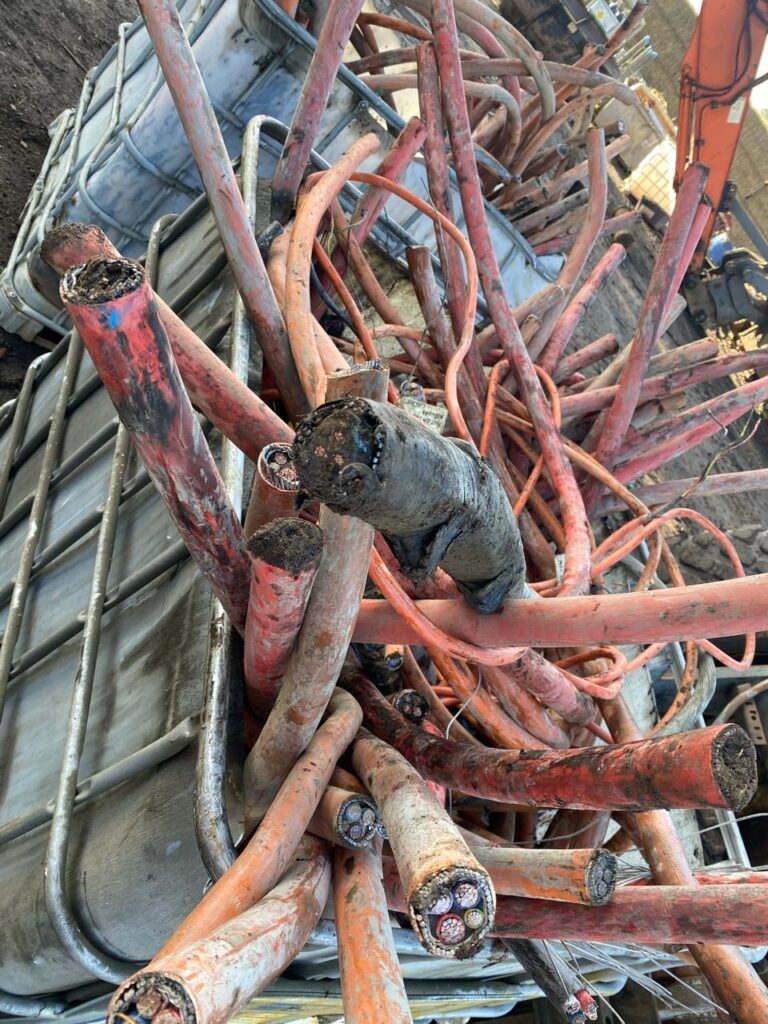
Before 2018, cash-in-hand scrap metal sales made it easy for stolen metal, particularly copper stripped from telecommunications and electrical infrastructure, and stolen vehicles, to be converted into money with no paper trail. The reforms were developed with Victoria Police, the Australian Metal Recycling Industry Association, and the Victorian Automobile Chamber of Commerce specifically to close that loophole.
The Penalties Are Substantial
This isn’t a minor technicality. Individuals involved in cash scrap metal transactions face on-the-spot fines and court-imposed penalties that can run into the tens of thousands of dollars, and businesses face penalties up to five times higher again. Victoria Police also has the power to enter and search a scrap metal dealer’s premises without a warrant if they reasonably believe cash transactions are taking place. A dealer found non-compliant risks losing their registration entirely, meaning they can no longer legally trade.
Red Flags to Watch For as a Seller
If you’re offered cash for your scrap metal in Victoria, that’s a clear sign you’re dealing with an unregistered or non-compliant operator, and as the seller, it’s worth being cautious rather than simply taking the money. Watch for:
- A buyer who offers or insists on paying cash
- No request for photo ID at any point in the transaction
- No receipt, invoice, or transaction record provided
- An operator who can’t or won’t confirm their second-hand dealer registration
- Unusually informal setups, such as unmarked premises or transactions conducted away from a proper yard
How to Check a Buyer Is Registered
Consumer Affairs Victoria maintains registration requirements for second-hand dealers, including scrap metal buyers. If you’re ever unsure whether a buyer is operating legally, you’re entitled to ask for their registration details, and a legitimate dealer will provide them without hesitation.
How VIC Copper Recycling Handles Payment
We pay by EFT, straight into your account, in line with Victorian law, every time. We’ll sight and record your photo ID as part of the transaction, and you’re welcome to ask us anything about how the process works. It’s a straightforward, compliant process that protects you as much as it protects us.
Frequently Asked Questions
Is it illegal to sell scrap metal for cash in Victoria?
Yes. Since 2018, scrap metal dealers in Victoria are banned from paying or receiving cash for scrap metal transactions under the Second-Hand Dealers and Pawnbrokers Act 1989. Payment must be made by EFT or cheque.
What happens if I accept a cash payment for scrap metal?
Both the buyer and seller can be involved in an offence under Victorian law. It’s safest to only deal with registered dealers who pay via bank transfer or cheque and follow proper ID and record-keeping requirements.
Why do I need to show ID to sell scrap metal?
Victorian law requires every scrap metal seller to provide valid photo ID, regardless of the transaction size, as part of reforms designed to prevent stolen metal from being sold anonymously.
How quickly will I receive payment if it’s not cash?
Payment is typically made by EFT shortly after your load is weighed and assessed. Bank transfer times depend on your financial institution, but same-day or next-business-day receipt is typical.
How can I tell if a scrap metal buyer is operating legally?
A legitimate buyer will be registered as a second-hand dealer, will always ask for your photo ID, will pay by EFT or cheque rather than cash, and will provide a proper transaction record or receipt.
Does the cash ban apply to all scrap metal, including cars?
The cash payment ban applies broadly to scrap metal transactions, including auto wreckers, with the reforms specifically targeting the conversion of stolen vehicles and metal into untraceable cash.